




When do you need to replace your goalpost?
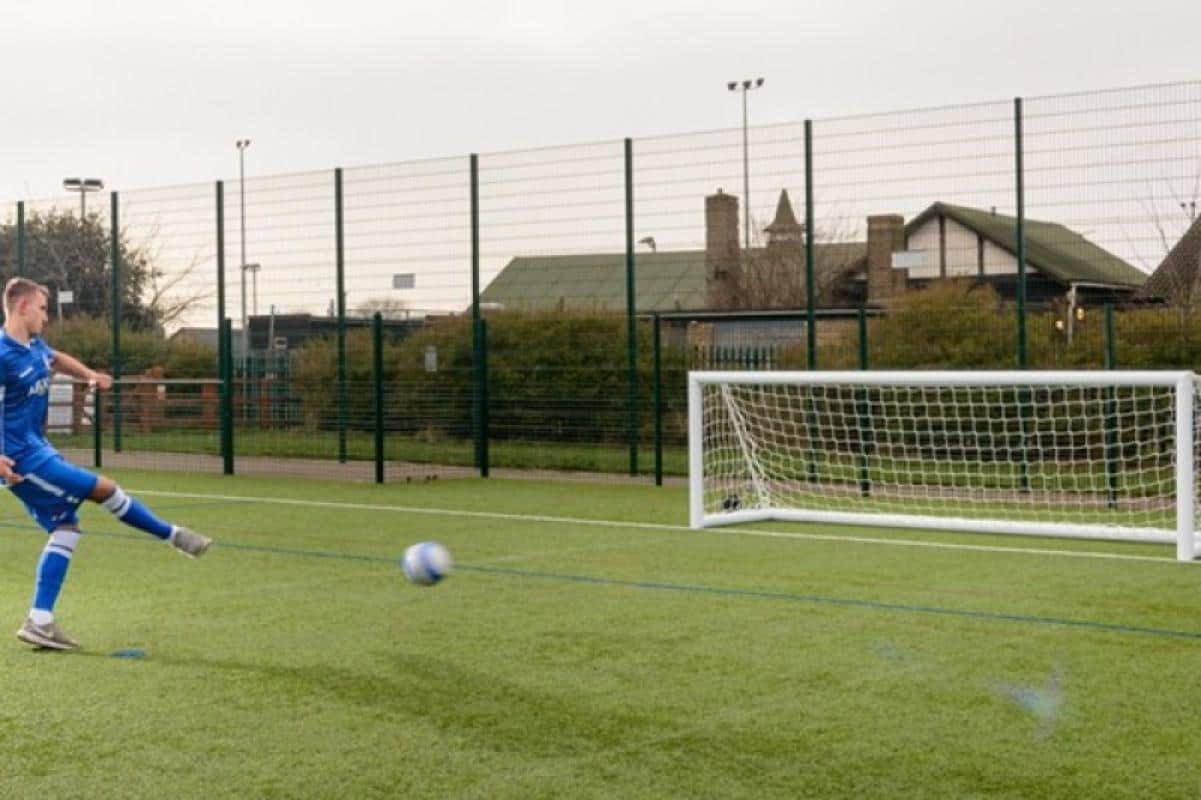
It doesn't matter if you play Sunday league or in the Premier League, a well-kept set of goalposts is an important part of any match.
At the lower levels of the game, posts are typically made from steel rather than aluminium. While both are treated via a phosphating process to help them withstand the weather, it's not surprising that at amateur levels, the posts are likely to suffer the most from wear and tear - especially those in public parks.
This guide will look at some of the most common forms of wear and tear, as well as how to treat damage and best practice for ensuring the longevity of your posts.
Chips and rust
Being made of aluminium, professional posts won't rust, but steel posts should be carefully monitored for chipped paint work. It might not sound critical but if it is left untreated, exposed metal will rust. Over time this can spread, severely damaging the appearance and integrity of the posts.
Chips can be caused by many things, from players during a match, to lawnmowers, or even when repositioning the posts. As long as the chips are spotted and treated, the posts will not suffer a reduction in their lifespan.
If goals are well maintained, a repair touch-up kit would be enough to patch up any chips before they cause a problem. For larger jobs, metal paint such as Hammerite would be effective at repairing and protecting the posts.
Fixings
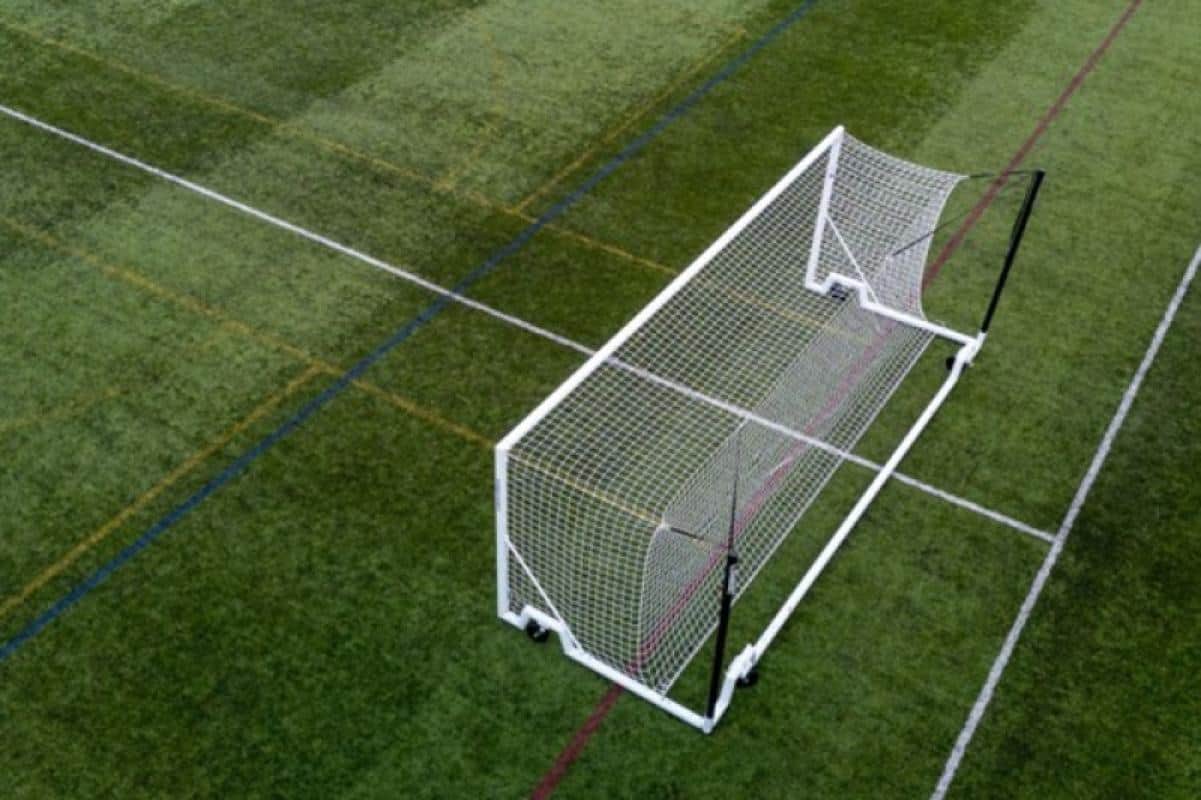
The fixings on a freestanding goal should be checked monthly to make sure that none of the many nuts and bolts require tightening. This is a small task, but if it is conducted regularly fixings should rarely become an issue. The FA recommend a monthly maintenance programme to track the condition of the fixings, paintwork and wheels using a log sheet.
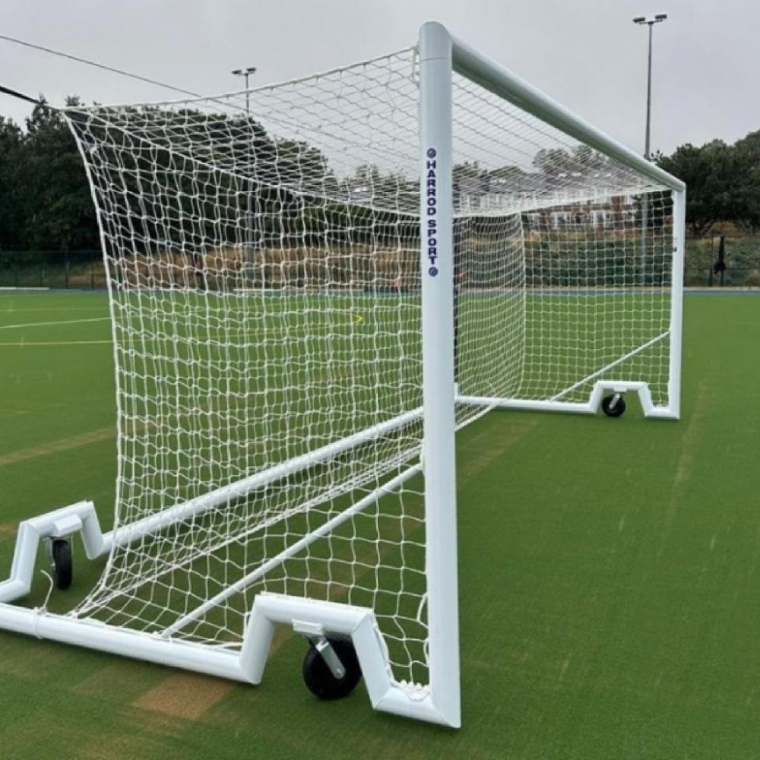
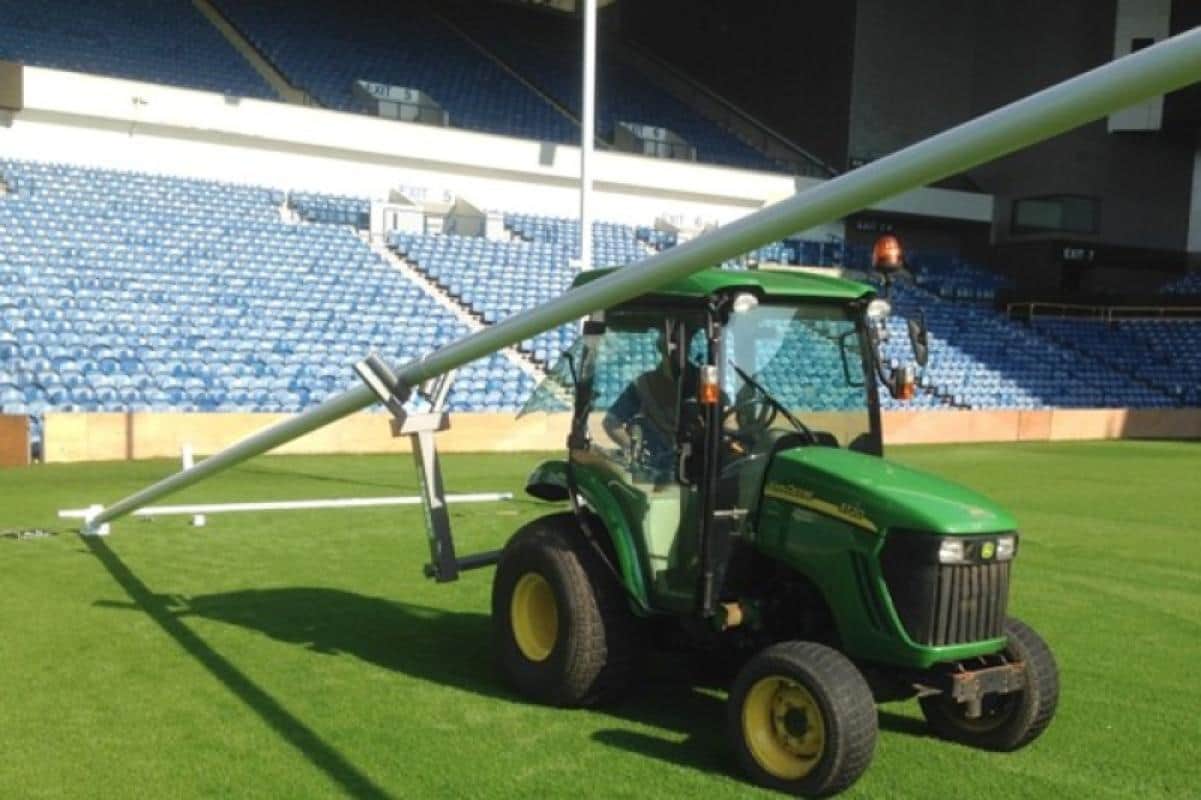
When moving hockey or football goalposts, it is recommended that four people help. This is not just for the safety of the grounds staff, but for preserving the condition of the posts. If the joints are not supported during a move it can loosen fixings and damage joints and nets.
Nets
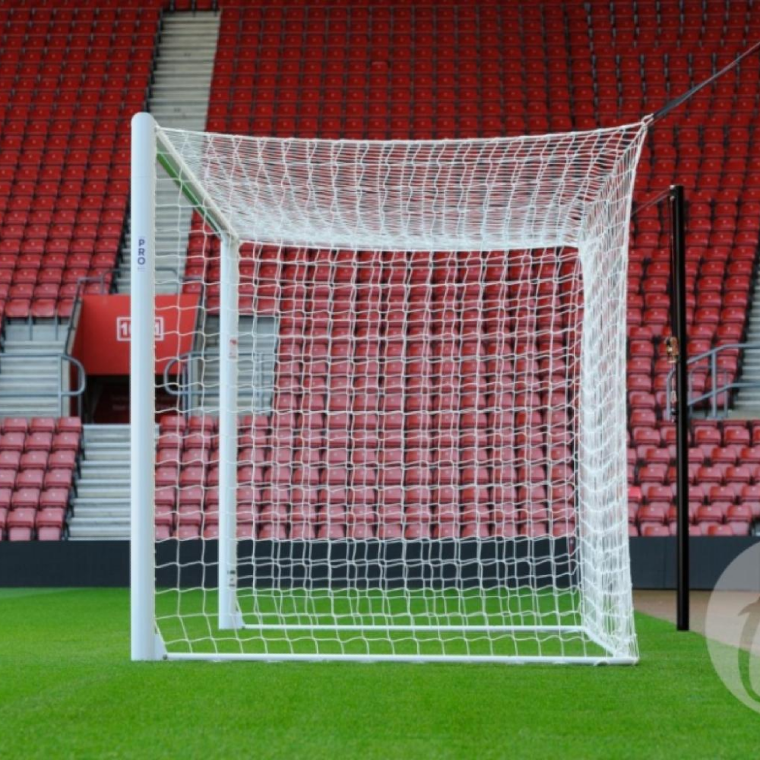
While they used to be Nylon in the early days, modern football nets are mostly made from polypropylene. The difference between amateur and professional is the thickness (2.5mm twisted for amateur compared to 4mm braided for professional level.) While nets can ideally last two years, at the top level, nets are often replaced every year simply because they can start to look dirty after regular use.
At lower levels, it is recommended to buy cheaper nets regularly, rather than expensive ones. While the extra cost could see nets last five years, non-professional goal nets are likely to be used in environments that are far more susceptible to damage from birds, foxes, and other external sources.
For those who are not experienced with nets, simply attempting to hang them is a common way to cause damage as they are surprisingly large and unwieldy. The most important thing when unpacking a new net is to locate the corners. Harrod nets also come with a label marking the crossbar to make sure that nets are not put on upside down.
What about hockey backboards?
The unique aspect of a hockey goal is its backboard. Traditionally these were made of wood, but that was susceptible to rot - especially if used on synthetic water-topped pitches. Today, a combination of aluminium and synthetic fabric - similar to the playing surface - is being used due to its lifespan and resistance to rot and water.
Safety
In the late 1990s and early 2000s a lot of work went into the development of legislation. The next step is likely to be the promotion of lighter goals in the coming years. This would mean that if an incorrectly installed post were to fall, the weight that could land on someone would be greatly reduced, minimising the chance of serious injury.
As such a large revenue sport, football is often the leader on such innovations and these will gradually filter down to the lower levels and other sports including rugby and hockey. For this reason, many of the safety checks used on hockey goals very closely reflect those used in football. Rugby does not currently have its own safety standards, but it is likely that as standards become more universal, it will also be applied to rugby.
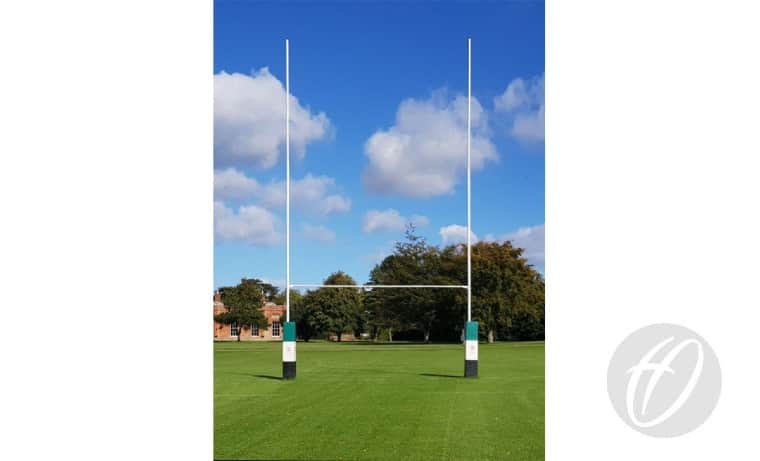
As rugby posts can vary in height and reach up to 55ft (less for union posts), Harrod has their posts structurally verified based on wind loadings. This process was initially done on the 17m Millennium Stadium posts, but is now used on all of their posts, including those used for the American football (NFL).
So, when should I change my goalposts?
Professional clubs and Wembley Stadium look to change their posts either annually or every two years, but this is more about having pristine posts rather than safety. Often the older posts will be moved to training grounds, sold or simply recycled.
However, for most, posts can last anywhere between 10 and 20 years providing they are maintained regularly. Of course, a free-standing goal that is moved regularly is more likely to require additional maintenance compared to typical park goal posts, which are likely to be socketed and fixed with concrete.
Getting the most out of your goalposts begins right at the point of purchase. By making sure that parts are purchased from a reputable manufacturer, you can be confident that each of the component parts meet the relevant British or European safety standards.
When installing it is important to follow the manufacturer's guidelines and if there are any minor issues, deal with them straight away. Rust can spread and one loose bolt can loosen others.